

Aluminum Building Materials in 2027 Amid Real‑Estate Shifts
I. Real‑estate Shift: From New‑build Expansion to Stock‑market Renovation
In 2026, China's real‑estate industry has bid farewell to the golden era of large‑scale incremental development. The industry focus has shifted from new residential construction to project delivery guarantees, urban renewal, old‑community retrofitting, and high‑quality green‑building development, showing obvious structural market differentiation.

This shift has directly rippled through the aluminum building‑materials industrial chain, reshaping demand logic for aluminum veneers, aluminum honeycomb panels, curtain‑wall profiles and other products.
On one hand, new‑housing development and construction starts remain under pressure. Traditional real‑estate supporting orders have declined, resulting in generally weak domestic engineering demand.
On the other hand, policies vigorously promote "high‑quality housing" initiatives, urban renewal and existing‑building facade renovation, alongside full implementation of green‑building standards. Lightweight, low‑carbon and corrosion‑resistant aluminum building materials are gaining new growth opportunities within stock‑renovation markets. The adoption rate of aluminum honeycomb panels, stone‑composite aluminum back‑panels and high‑performance curtain‑wall panels keeps rising in public‑building refurbishments, commercial‑space upgrades and old‑renovation projects.
Meanwhile, amid sluggish domestic demand, numerous aluminum‑material manufacturers are accelerating global expansion. Aluminum‑product exports have become a key growth driver, effectively offsetting order pressures caused by the domestic real‑estate downturn.
II. Three Major Development Directions for 2027
Looking ahead to 2027, the aluminum building‑materials industry will sustain a dual‑driven pattern: deep‑tapping domestic stock‑based markets plus expanding overseas markets. Three distinct trends will emerge:
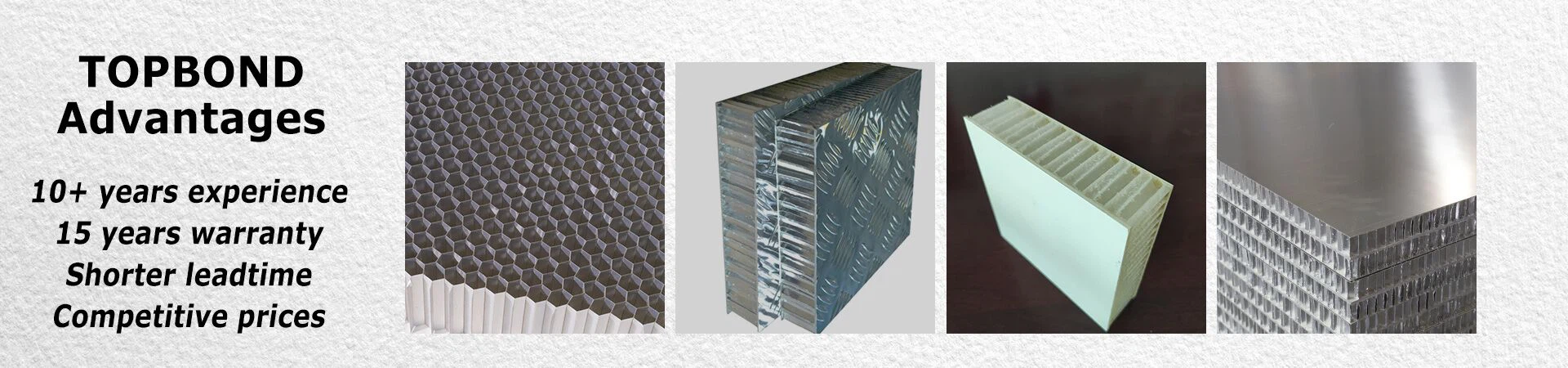
Trend 1: Lightweight and composite‑oriented products Lightweight composite panels including stone‑bonded aluminum honeycomb back‑panels, high‑weather‑resistance PVDF fluorocarbon‑coated aluminum honeycomb panels and energy‑saving enclosure profiles will serve as major growth drivers. Competition will shift from pure price rivalry toward technology, craftsmanship, certifications and total‑solution capabilities.
Trend 2: Accelerated deployment in overseas B‑end markets Manufacturers will further ramp up development of Europe, the Middle East, Southeast Asia and other markets, with export proportions expected to keep climbing. Factories with international certifications such as CE and ISO and reliable delivery capacity will gain greater competitive advantages.
Trend 3: Diversified niche‑track demand Demand for aluminum building materials from medical‑facility, rail‑transit and new‑energy sectors will keep expanding. This helps enterprises reduce reliance on the real‑estate sector and build better‑balanced customer portfolios.
III. Aluminum‑ingot Prices: High‑level Volatility, No One‑sided Market Trend
Aluminum‑ingot pricing constitutes a core profit‑determining factor for aluminum‑material manufacturers. Raw‑material aluminum accounts for over 60 % of the production cost for aluminum honeycomb panels and aluminum veneers. Every thousand‑yuan swing in aluminum‑ingot prices generates noticeable fluctuations in unit‑product costs; fixed‑price engineering contracts are highly vulnerable to profit erosion caused by raw‑material price volatility.
Based on industrial analysis, the probability of a sharp one‑sided surge in aluminum‑ingot prices in 2027 remains limited. Multiple interacting factors will shape market conditions:
Geopolitical conflicts and energy‑price swings
Recovery pace of overseas electrolytic‑aluminum production capacity
Monetary‑policy shifts of the Federal Reserve
Domestic capacity cap constraints on China's electrolytic‑aluminum industry
Accordingly, a steep one‑sided price drop is unlikely. The market is projected to maintain broad, high‑band volatility. Periodic price spikes cannot be ruled out.
IV. Industry Impacts: Accelerated Industrial Restructuring and Concentration among Leading Players
Persistent raw‑material price swings will speed up industry reshuffling:
Small‑and‑medium manufacturers face mounting operational pressure with further squeezed profit margins.
Leading enterprises adopt flexible "aluminum‑ingot base price plus processing fee" pricing models to mitigate raw‑material‑risk exposure.
Manufacturers across the board need to optimize contract clauses and tighten inventory‑cycle management.
R&D investment in high‑value‑added composite panels will increase substantially; product upgrading becomes critical for enterprises to navigate cyclical headwinds.
The inflection point of the real‑estate cycle brings both challenges and dividing lines. Enterprises capable of counteracting risks via product upgrading and market diversification will capture larger market shares in 2027.


